

Disclaimer: This post is for entertainment only and is not financial advice. See full legal disclaimers here.
What is Pokémon?

Pokémon, short for “Pocket Monsters,” is a massively popular Japanese media franchise create by Satoshi Tajiri and owned by The Pokémon Company (a joint venture between Nintendo, Game Freak, and Creatures Inc.).
It centers on fictional creatures called Pokémon (over 1,000 species to date), living alongside humans in a shared universe. Humans known as Pokémon Trainers catch these creatures using Poké Balls, train them, and battle others in strategic turn-based fights (e.g., Fire beats Grass but loses to Water), abilities, and evolutions (where Pokémon transform into stronger forms).
The franchise spans
Video Games: Role-playing adventures on Nintendo consoles, starting with Pokémon Red and Green on Game Boy.
Anime & Movies: Follows young Trainer Ash Ketchum and his Pikachu on endless quests.
Trading Card Game (TCG): A collectible card game where you build decks to duel opponents.
Merchandise: Toys, clothes, apps like Pokémon GO (over 1 billion downloads), and more.
As of 2025, it’s the highest-grossing media franchise ever, with over $150 billion in lifetime revenue. In 2024 alone, Pokémon toys topped $1 billion in sales, the only brand to do so. The company hit record profits of $2.9 billion, boosted by mobile hits like Pokémon TCG Pocket. It launched in 1996 with Pokémon Red and Green for Game Boy in Japan (Red/Blue internationally in 1998), sparking “Pokémania”. It has expanded into anime (starting 1997, following trainer Ash Ketchum), over 20 films, manga, a trading card game (TCG, the best-selling ever with billions of cards), merchandise, and mobile hits like Pokémon GO (2016 augmented reality app).
Timeline of Pokémon Milestones
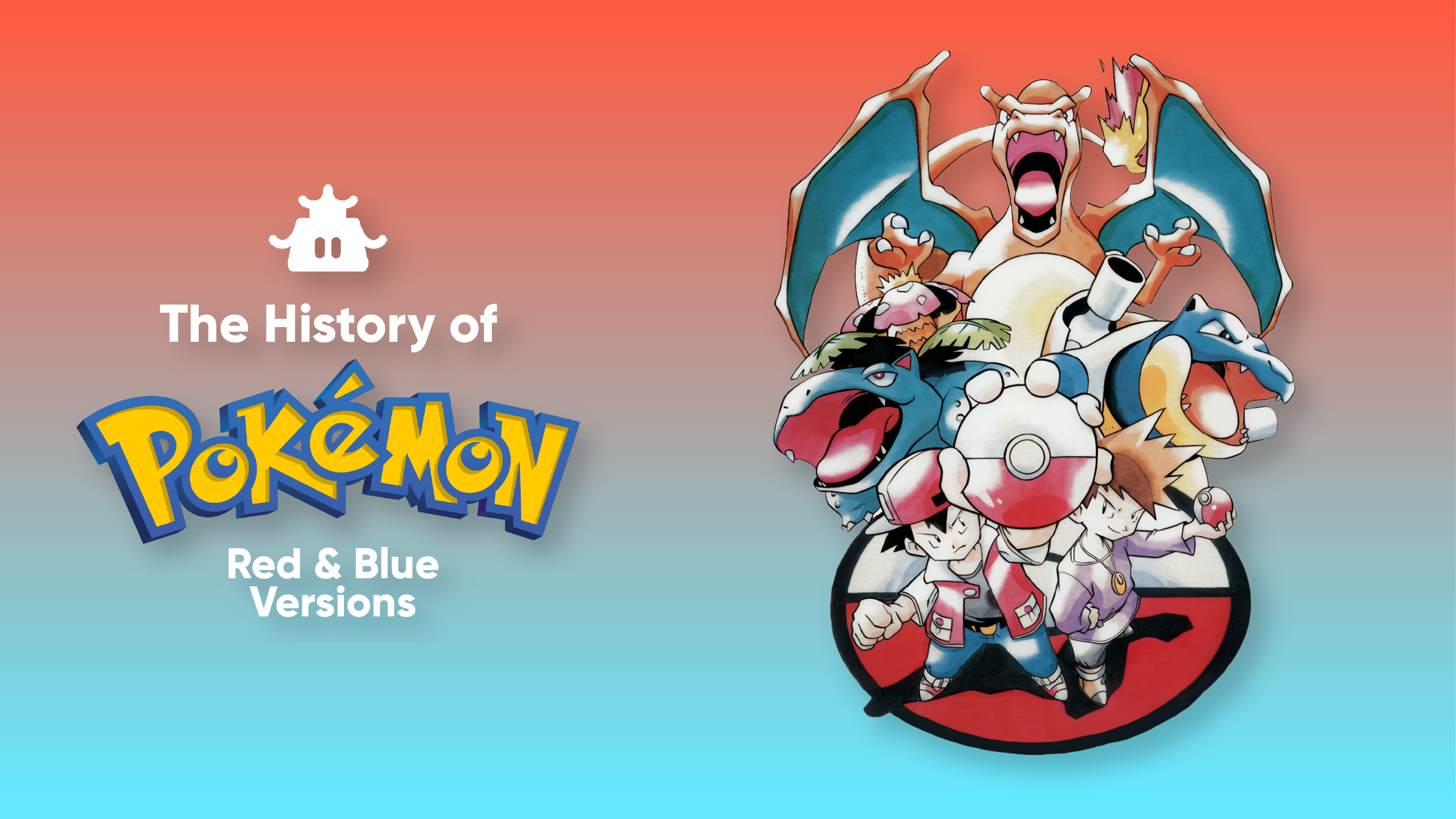
Below is a timeline to give you sense of the important dates and milestones in the Pokemon brand. We will mainly be focused on products in the modern era, although it’s important to understand some of the history.
1996 First Video Games (1996 Japan/1998 USA): Red/Blue/Green sells millions; anime follows.
1996 TGC Card Game Launches (1996 Japan/1999 USA): The card games in the United States are launched through Wizards of the Coast. Early english sets are called Base, Jungle, & Fossil.
2002-2007 “Chase” Cards Appear: New powerful cards called EX show up (think: stronger versions of Pokemon). Gold Star cards become a big collectors item.
2007-2013 Better Art: Card artwork quality noticeably improves.
2016 Pokemon GO App: AR mobile game reignites frenzy. Billions in revenue follows. First full art cards are introduced.
2020s Modern Era Boom: Includes the eras Sun&Moon, Sword&Shield, and Scarlet&Violet. TCG explodes; 75+ billion cards are printed. Scarlet & Violet sells 25m+ units.
By end of year 2025, 489 million games and 75 billion Pokemon cards have been sold since the franchise’s inception. This shows the staying power of the brand.
Iconic Pokémon: The Cast of Characters
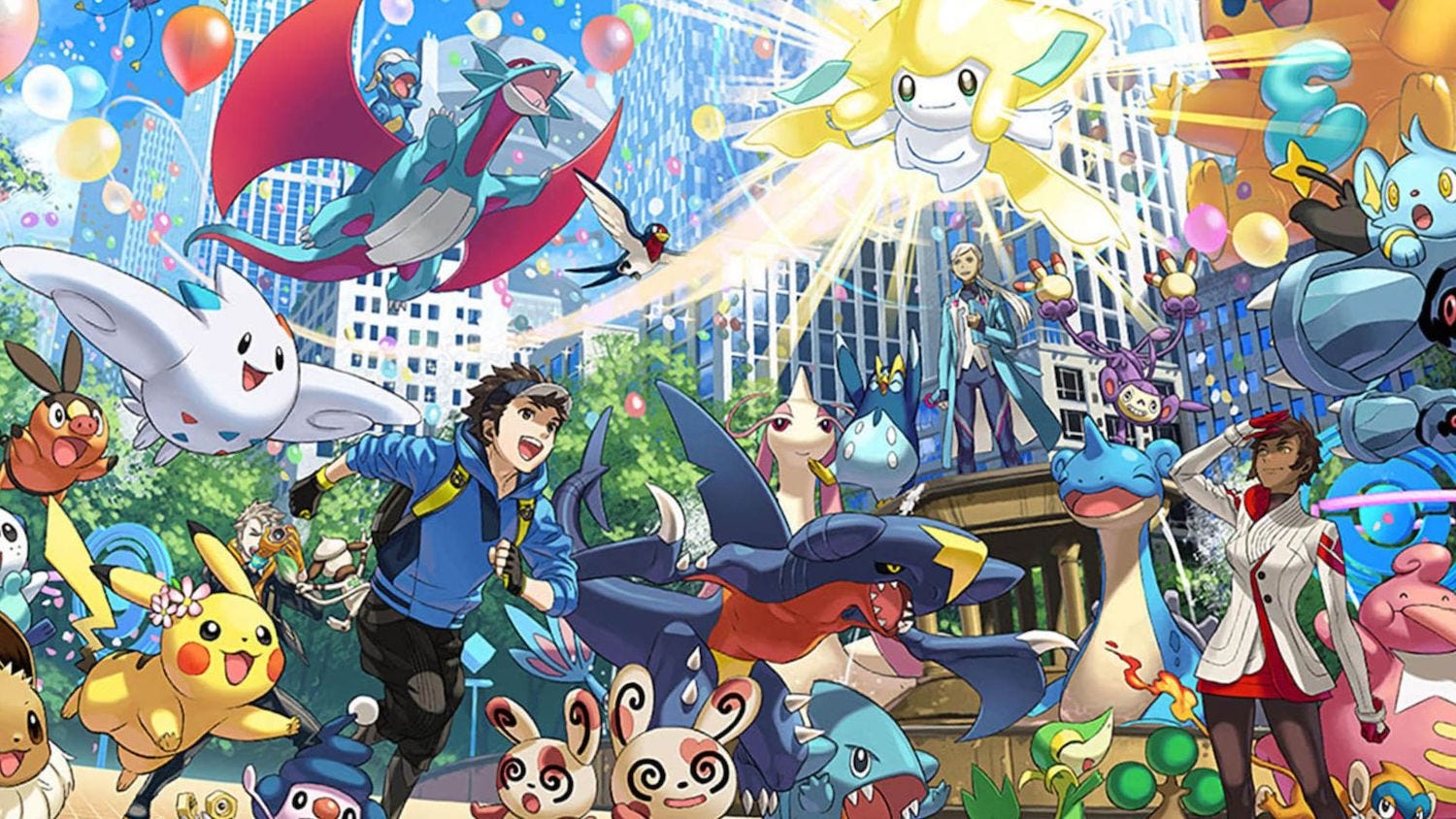
Over 1,000 species exist in the Pokemon Universe, but these characters reign supreme (per fan polls and sales). Anyone serious about making money in Pokémon products better know them.
Pikachu: Franchise mascot—cute electric mouse, Ash’s partner.
Charizard: Fiery dragon; typically the most valuable cards (e.g., 1st Edition PSA 10: $200K+).
Eevee & Evolutions (Umbreon, etc.): Versatile, adorable foxes.
Mewtwo: Psychic legend from the first movie.
Bulbasaur/Squirtle: Fan-favorite starters.
These characters drive merchandise and card values in much the same manner as Disney stars like Donald & Goofy—Pikachu alone is a cultural icon in Japan, their version of Mickey Mouse.
Is Pokémon A Good Investment: Historical Performance
What started as a kids’ game now rivals stocks from a return perspective. Vintage cards (1999 Base Set) have returned 3,000-3,800% over 20 years, crushing the S&P 500’s 483%. Booster boxes like Evolving Skies surged 1,697% in 5 years.
Value Factors:
Rarity/Condition: PSA 10 grades multiply worth (e.g., Logan Paul paid $5.275 million for the world’s most expensive Pokémon card — the1998 Pikachu Illustrator in a PSA 10).
Nostalgia: Millennials fuel demand.
Supply Control: Limited prints and low pull rates keep prices high.
Market: eBay searches hit 14K/hour; GameStop now sells TCG.
Risks:
Oversupply dips modern cards; They can reprint sold out sets.
Fakes abound (beware!). I’ll help teach you to spot fakes in a separate article.
Long-term winners: Sealed vintage product, graded Charizards.
In future articles I’ll teach you how to grade cards, spot fakes, and build a portfolio that outperforms the market.
Useful Links
Here are some useful links to get beginners up to speed. I use these sites all the time in my business and they can be trusted as a source of information.
Official Sites:
Pokémon.com : The Official Pokémon Website
Pokédex : The Pokédex is the official list and info hub for every Pokémon character. In collecting, the Dex number is your anchor for sorting, checklists, and building complete collections.
Pokémon News : First-party announcements across games, anime, and events.
Pokémon Center : Official store/website for exclusive Pokémon merchandise.
Official Rulebook : clear, beginner PDFs straight from Pokémon.
Lookup Cards & Sets:
Pokecollector : Lookup current and previous cards and sets for both the U.S. and Japanese releases. Nice images of every card released.
Check Card Prices:
TCGPlayer : TCGPlayer is a major online marketplace and price guide for trading card games—especially Pokémon, Magic, and Yu-Gi-Oh!—with live listings, market data, and seller tools.
CardMarket : Europe’s largest marketplace for trading card games.
Grading & Population Reports
PSA Pop Report – counts of each graded card by grade (PSA 1–10).
CGC Pop Report – similar population data for CGC-graded cards.
That’s all for now. In the next article, we’ll take a deep dive into the card game itself since that’s where most of our investing will take place.
Social Media: Check out our social accounts @thepokeinvestor on X (Twitter) and Instagram for quick updates, new articles, plus early looks at what’s headed to the store. Follow here: X (Twitter) · Instagram (coming soon!) · Shop new arrivals: Store (coming soon).
Disclaimer: The content in this post is provided for informational and entertainment purposes only and reflects the author’s *opinions*. It does not constitute financial, investment, or legal advice, nor a solicitation to buy or sell any asset. Prices, pull rates, and market data are estimates and may change; accuracy is not guaranteed. Pokémon and related trademarks are the property of their respective owners; this publication is not affiliated with or endorsed by Nintendo, or The Pokémon Company.
Copyright Notice: ©ThePokeInvestor. All rights reserved. This material is protected by copyright and may not be copied, reproduced, distributed, or sold without my express written permission.